Nutrition for Deep Sleep & Rest During the Cancer Journey | Food for Thought with Jen Nolan
Nutrition for Sleep and Deep Rest: Small Evening Shifts That Support Healing
What if sleep is not just rest, but part of healing?
For many people on a cancering journey, exhaustion is a daily reality. But what happens when the body is tired and the mind will not settle? What happens when someone is “wired and tired,” lying in bed, hoping for rest, while the nervous system keeps running?
That was the heart of this month’s Food for Thought webinar with Stacy Fritz and Jen Nolan, BS, MS, ONC, Owner & Lead Oncology Nutrition Consultant at Remission Nutrition. Together, they explored the connection between nutrition, sleep, deep rest, and the body’s ability to heal.
Jen reminded listeners that sleep is not simply the end of the day. It is a sacred window of repair. During sleep, the body has an opportunity to restore tissues, calm the nervous system, support digestion, and reset. For those navigating cancer, treatment, stress, fatigue, or uncertainty, that pause can be especially important.
As Stacy described it, sleep can be seen as an act of loving kindness toward the body.
Sleep is the body’s exhale
One of the most powerful images from the conversation was the idea of sleep as “the exhale.”
In a culture that is constantly taking in information, responsibilities, food, news, screens, appointments, and emotions, the body also needs time to release. Sleep becomes the place where the body can stop performing and begin restoring.
Jen also shared the fascinating role of the glymphatic system, the brain’s natural cleaning system that becomes active during sleep. When we do not sleep well, we may feel foggy, heavy, or less clear the next day. Deep rest gives the brain and body space to “clean house.”
For someone on a healing journey, this matters.
Sleep supports the whole terrain of the body: digestion, immune function, nervous system regulation, mental clarity, and the ability to recover from the demands of the day.
Why late-night snacking can interfere with deep rest
One of Jen’s first practical recommendations was simple but not always easy: avoid eating too close to bedtime.
Her general rule of thumb is to finish dinner about three to four hours before going to sleep. This gives the body time to digest before it enters the deeper stages of rest.
Late-night snacking can keep the body busy at a time when it is meant to be winding down. It may also affect blood sugar, especially if the snack is high in carbohydrates or sugar. Some people may fall asleep but wake up in the middle of the night as blood sugar shifts.
This does not mean perfection is required. Stacy and Jen were clear that the goal is not to overhaul your life overnight. Instead, the invitation is to practice.
If evening snacking has become a comforting ritual, consider replacing it with another calming habit:
- A cup of chamomile tea earlier in the evening
- Knitting, puzzles, reading, or journaling
- Prayer or gratitude
- A warm bath with Epsom salts
- Sitting outside as the sun goes down
- Preparing for bed without screens
The goal is not deprivation. The goal is to give the body a better chance to rest.
Dinner matters: protein, fat, and blood sugar balance
If someone feels truly hungry between dinner and bedtime, Jen encourages looking earlier in the evening. Was dinner satisfying enough? Did it include enough protein and healthy fat?
A sleep-supportive dinner may include:
- Quality protein such as fish, chicken, eggs, lentils, or grass-fed meat
- Non-starchy vegetables
- Healthy fats such as olive oil, avocado, or a nourishing dressing
- Fewer heavy starches or sugary foods close to bedtime, depending on the person
Healthy fat and protein can help support satiety and blood sugar stability. This can make it easier to avoid late-night snacking and may reduce nighttime waking.
Jen also shared her own ideal restaurant meal: a beautiful salad with seasonal vegetables, olive-oil-based dressing, and protein such as fish or steak with chimichurri. She also mentioned choosing soda water with lemon or lime instead of alcohol, since alcohol can be a major sleep disruptor.
Hydration, salt, and waking up at night
Many people stop drinking water after dinner because they are worried about waking up to use the bathroom. Jen offered a different way to think about hydration.
If water seems to “go right through you,” the issue may not be too much water. It may be a lack of electrolytes, especially sodium.
Jen discussed using a small amount of high-quality mineral salt, such as Baja Gold, either with dinner or before bed, as one possible strategy for those waking frequently to urinate. This is not medical advice, and anyone with blood pressure concerns, kidney issues, fluid restrictions, or specific medical guidance should follow their practitioner’s recommendations.
But for some people, a pinch of quality salt may help the body hold onto hydration more effectively.
Magnesium and calming the body
Magnesium was another key topic. Jen described magnesium as a “calmer” and shared that magnesium glycinate is the form she most often sees people using for sleep support.
Magnesium-rich foods, such as avocados, can be a helpful food-first option. Some people may also benefit from supplementation, though individual needs vary. Jen noted that magnesium may not make a person feel drowsy like a sleep aid. Instead, it may support more restful sleep by helping the body calm.
Magnesium citrate was also mentioned, but Jen cautioned that it can affect bowel movements and may not be the right fit for everyone.
Light, screens, and circadian rhythm
Stacy and Jen also talked about the role of light in sleep. Bright bathroom lights in the middle of the night can send the body a “daytime” signal. Jen recommended motion-activated red-light night lights as a gentler option.
They also discussed the impact of screens, phones, Wi-Fi, wearables, and sleep-tracking devices. These tools may provide helpful information for a short time, but they may also interfere with sleep or increase anxiety around sleep scores.
A few gentle technology shifts include:
- Put the phone in another room
- Turn on airplane mode and turn off Wi-Fi and Bluetooth
- Use night mode or blue-light settings when screens are unavoidable
- Dim lights in the evening
- Avoid checking sleep scores first thing in the morning if they affect your mindset
- Consider reading a physical book instead of scrolling
The goal is to help the body receive the message: it is safe to rest.
Jen’s ideal sleep-supportive evening routine
Jen shared what an ideal evening might look like for her:
An early dinner with vegetables, protein, and healthy fat. A walk or bike ride home after eating. No screens afterward. A cup of tea. Reading outside as the sun goes down. Journaling or gratitude. A bath with Epsom salts. A cool bedroom. Fresh air. A physical book. No phone in bed. Lights out around 10 PM and waking naturally around 6 AM.
It sounds peaceful because it is designed to be peaceful.
But the deeper message is not that everyone needs to copy Jen’s exact routine. The message is that we can build rhythms that support the body’s natural healing design.

Start with one small shift
This conversation was not about adding pressure. It was about offering practical tools.
Start with one shift:
Eat dinner a little earlier.
Add more protein and healthy fat to your evening meal.
Swap late-night snacks for tea.
Try a red-light night light.
Take screens out of the bedroom.
Begin the morning with sunlight instead of your phone.
Create a bedtime ritual that feels like care, not punishment.
Sleep is not just something we “should” do.
It is a gift the body receives.
And for those on a cancering journey, it may be one of the most loving ways to support healing, one night at a time.
Watch the Food for Thought replay
To hear the full conversation with Stacy Fritz and Jen Nolan of Remission Nutrition, watch the Food for Thought Nutrition Webinar replay here:
https://www.believebig.org/food-for-thought-nutrition-webinar/
Food for Thought meets on the 3rd Wednesday of each month from 4–5 PM PST / 5–6 PM MST / 6–7 PM CST / 7–8 PM EST.
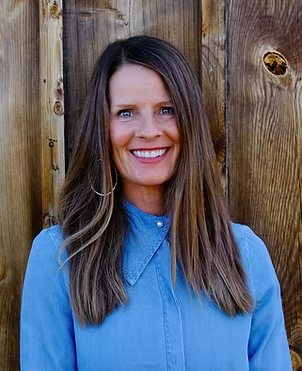

Personalized Nutrition & Wellness Consulting
Rooted in metabolic and terrain health to support prevention, healing, and whole-person resilience – for those facing cancer and those simply seeking lifelong wellness.
Jen Nolan
BS, MS, ONC, TAP
Owner & Oncology Nutrition Consultant