Back-to-School, the Lower-Tox Way: Simple Swaps for a Healthier School Year
Back-to-school season often comes with a long list: backpacks, lunchboxes, water bottles, notebooks, clothes, snacks, and more. You know, and all the little extras that somehow find their way into the cart. For families trying to reduce unnecessary chemical exposures, that list can quickly feel overwhelming.
The good news is that creating a healthier environment for your child does not require replacing everything you own or purchasing the most expensive products. A few thoughtful changes, made gradually and focused on the things your family uses most, can make lower-tox living feel practical and sustainable.
To help families know where to begin, we invited Caitlin Fierro, NC, RHP-3, a functional practitioner and toxic load expert, to share her guidance. Caitlin is the founder of Non-Toxic Homes, where she helps families reduce their everyday exposures through realistic nutrition, product, and lifestyle choices. She was also a featured speaker at the 2025 Believe Big Integrative Cancer Symposium. Caitlin’s approach offers parents a reassuring reminder: You cannot control every exposure your child encounters, and you do not need to. Instead, focus on the everyday choices within your influence.
Here are four practical places to begin.
1. Rethink Lunch Containers as Items Need Replacing
Food storage can be a manageable place to begin, particularly because school lunches may remain packed for several hours.
When it is time to replace a worn or damaged container, consider:
- Stainless-steel lunchboxes and snack containers
- Glass containers with protective silicone sleeves for older children, when appropriate and permitted by the school
- Reusable silicone bags from reputable manufacturers
- Stainless-steel utensils instead of disposable plastic utensils
- An insulated stainless-steel thermos for warm foods
There is no need to throw away every plastic container in your kitchen. Start with the items your child uses most frequently, especially containers used for warm foods.
A simple practice is to avoid heating food in plastic unless the container is specifically labeled for that use.
2. Make Hydration Easy
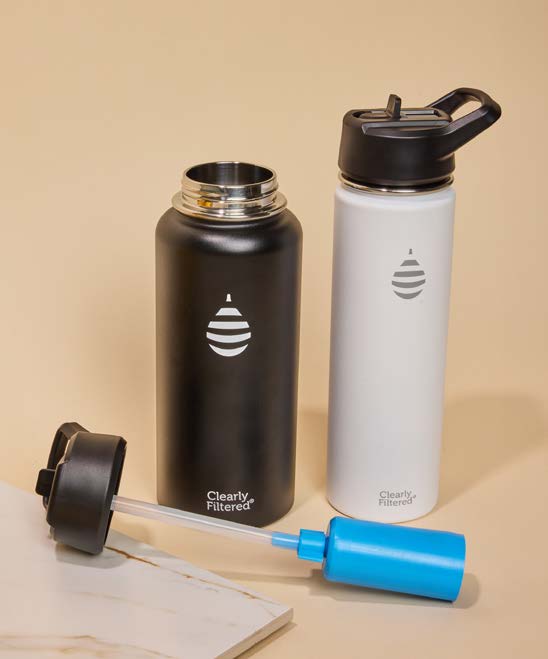
A water bottle may be one of the most frequently used items in a child’s backpack. A reusable stainless-steel or glass bottle can reduce dependence on disposable plastic bottles.
Look for one that is:
- Appropriate for your child’s age
- Durable and leak-resistant
- Easy to take apart and clean
- Comfortable for your child to carry and use
The best water bottle is ultimately one your child will actually use. Hydration does not need to be complicated; it needs to be accessible.
3. Simplify School and Art Supplies
Markers, glues, paints, scented pens, permanent markers, and other art supplies may contain fragrances, solvents, or additives that some families prefer to minimize.
You do not need a chemistry degree to shop thoughtfully. When practical, look for:
- Unscented supplies
- Water-based markers, paints, and glues
- Products labeled low-VOC
- Unscented crayons
- Beeswax crayons
- PVC-free pencil cases, binders, lunch bags, and backpacks
- Products appropriate for your child’s age and approved by the school
Children often move between creating, touching their faces, and eating snacks without washing their hands in between. For supplies that regularly come in contact with little hands, ingredient and material transparency may be worth considering.
A helpful guiding principle is:
Less fragrance. Fewer unnecessary extras. Simpler materials.
4. Pack Simple, Nourishing Snacks When You Can
Back-to-school does not have to mean individually packaged everything. Simple foods can reduce packaging and make nutritious eating feel less complicated.
Try building snacks and lunches around:
- A source of protein
- A fiber-rich fruit or vegetable
- A healthy fat
- Something enjoyable that your child will actually eat
Depending on your child’s age, allergies, school policies, and medical needs, options may include:
- Apple slices with nut or seed butter
- Berries with plain yogurt
- Vegetables with hummus
- Hard-boiled eggs
- Cheese with fruit
- Homemade trail mix
- Leftovers packed in an insulated thermos
Convenient packaged snacks also have a place on especially busy mornings. The goal is not a “perfect” lunchbox. It is to make nourishing options easier to choose consistently.
Bonus: Create a Back-to-School Grab-and-Go Station
A simple home system can make healthy routines easier to maintain.
Consider creating a designated space for the items your family uses most:
- Reusable water bottles
- Lunch containers and snack bags
- After-school snacks
- Sports or activity essentials
Store backup items in the car, sports bag, or entryway when appropriate. The easier the system is to follow, the more likely it is to become part of your family’s routine.
View this post on Instagram
Start With What Gets Used Every Day
A lower-tox school year is not about trying to control every ingredient, surface, snack, or exposure your child encounters.
It is about being intentional where you have influence.
You might begin by:
- Choosing more durable materials for food and hydration
- Reducing unnecessary fragrance
- Looking for greater ingredient transparency
- Making nourishing foods convenient
- Replacing items gradually as they wear out
- Allowing children to learn, play, create, and simply be children
You do not need to overhaul the entire school-supply list. Choose one change that feels realistic for your family and begin there. Find more ideas at the Believe Big amazon list here.
Continue the Conversation at the Believe Big Integrative Cancer Symposium
Caitlin’s practical, whole-person approach reflects one of the central ideas behind the Believe Big Integrative Cancer Symposium: Supporting health means looking beyond a diagnosis to consider the many everyday factors that influence a person’s well-being.
As a speaker at our 2025 symposium, Caitlin helped attendees better understand how to create a non-tocix home. We are grateful to welcome her voice back to the Believe Big community through this special guest article.
This year’s symposium will once again bring together respected voices in integrative oncology to share research, clinical insights, and practical strategies for patients, caregivers, and healthcare professionals.
Join us for the 2026 Believe Big Integrative Cancer Symposium:

About Caitlin Fierro
Caitlin Fierro, NC, RHP-3, is a functional practitioner and toxic load expert who helps individuals and families create healthier living environments through realistic, sustainable changes. Through Non-Toxic Homes, she provides education, product guidance, and practical tools that make lower-tox living feel less overwhelming.
Follow Caitlin on Instagram at @nontoxichomes_.
This article is intended for educational purposes only and is not a substitute for individualized medical advice. Families navigating cancer treatment or recovery should consult their medical team before making changes that could affect treatment, nutrition, infection precautions, or symptom management.
Product disclosure: Some links in this article may be affiliate links. If you make a purchase through one of these links, Believe Big may receive a commission at no additional cost to you.
Content and images adapted with permission from Caitlin Fierro and Non-Toxic Homes.