Fixing the 3 P.M. Crash: Blood Sugar Balance with Jen Nolan

By midafternoon, are you ready for a nap? Looking for something sweet? Struggling to stay motivated or think clearly?
In this episode of the Believe Big Podcast, Ivelisse Page welcomes back Jen Nolan, owner and lead oncology nutrition consultant at Remission Nutrition, to discuss blood sugar regulation and its connection to energy, mood, sleep, and metabolic health.
Their conversation explores everyday habits that Jen uses with clients, from a protein-rich breakfast to a walk after dinner. Throughout the episode, she returns to the importance of small changes, individual needs, and giving yourself grace.
Recognizing the Blood Sugar Rollercoaster
Jen describes blood sugar balance as a backbone of health and wellness. When blood sugar swings up and down, she explains, energy and mood can swing with it. Sleep may suffer, and people may reach for snacks, sugar, caffeine, or a nap to bring themselves back up.
She sees this pattern across ages, including children and adults.
Some of the signs she asks clients about include an afternoon energy crash, difficulty concentrating, and midafternoon cravings. She also asks about waking during the night to eat, needing food before bed to sleep, or feeling famished immediately upon waking.
For Jen, these patterns are reasons to look more closely at blood sugar regulation.
Hormones Work Together Like an Orchestra
During the conversation, Ivelisse shares her frustration with changes in her body after surgical menopause. Despite exercising and eating well, she noticed her body holding on to weight in a way it had not before.
Jen responds with an image that runs throughout the episode: hormones work together like an orchestra.
Estrogen, progesterone, and testosterone are part of that picture, but so are insulin, cortisol, and melatonin. Rather than focusing on one hormone alone, Jen considers how stress, sleep, and eating patterns fit together.
She emphasizes being gentle during hormonal transitions. Very short eating windows or eating one meal a day every day can be too much for some people, she says. Her approach is to help bring the pieces together in a gentler way.
Blood Sugar Is About More Than Sugar
When Ivelisse asks about cancer treatments and blood sugar, Jen begins with stress. Going through cancer can be deeply stressful, and she explains that blood sugar can be imbalanced even when someone eats no sugar.
The conversation also addresses the stress of chemotherapy and the role steroids can play in blood sugar dysregulation. Jen brings the discussion back to supporting the nervous system and having tools to help it calm down.
Hydration is another foundational habit she examines. She describes working with people who follow elaborate diets and take many supplements but drink very little water. For her, hydration belongs in the same conversation as nutrition, gut health, and hormonal balance.
Starting the Day with a Protein-Rich Breakfast
When it comes to breakfast, Jen emphasizes protein and often recommends something savory rather than sweet. She explains that a sweet start can turn on a craving cycle, leaving someone looking for the next sweet food.
Her example is an egg scramble with plenty of greens, perhaps mushrooms, and avocado on top. The cooking fat can vary with the person, with avocado oil, grass-fed butter, or ghee among the options she mentions.
“Because remember, fat, fiber, and protein, they all help balance blood sugar.”
— Jen Nolan
Jen contrasts this with a fruit-heavy shake that contains no protein or fat. It may taste good, but someone can find themselves hungry again soon afterward.
Ivelisse shares that increasing her protein has helped her feel less hungry between meals. Jen also makes clear that breakfast timing is individual: she does not think everyone needs to eat at 6 a.m. or immediately after waking.
A Little Movement After a Meal
One of Jen’s favorite small habits is post-meal movement. She describes a 10-minute walk, a trip around the block, or simply walking around the house as ways to get moving after eating.
“Our muscles are a glucose sponge.”
— Jen Nolan
For people who are less mobile or need to return to their desks, she describes seated calf pumps: lifting the heels and lowering them while sitting. Her focus is on engaging the muscles in a way that fits the person’s circumstances.
Ivelisse shares that she and Jimmy have made after-dinner walks a habit. They leave their phones behind, walk around the neighborhood, and enjoy time to connect. She says they feel better and do not experience the cravings they used to have.
Food Order, Dessert, and Meal Timing
Jen also discusses the order in which people eat. She describes starting with fibrous vegetables, then eating protein, and saving something starchy, such as sweet potato or a grain, for last.
If someone chooses a sweet treat, she recommends having it directly after a meal rather than an hour or two later. She explains that the meal’s fat, protein, and fiber can help blunt the sugar load.
Her approach to intermittent fasting is similarly measured. She describes a 13-hour overnight fast as one possible starting point, with balanced meals during the day and, if possible, three to four hours between dinner and bedtime.
“Every single person is an individual. We watch labs. We see how they feel.”
— Jen Nolan
She notes that longer fasting may help some people, while extreme fasting every day can become stressful and disrupt hormones.
Where Jen Starts with the 3 P.M. Crash
For someone experiencing a recurring afternoon crash, Jen describes several habits she would explore: a protein-rich breakfast, a 13-hour overnight fast, and less grazing throughout the day.
She encourages balanced meals that include protein, fat, and carbohydrate. Rather than removing every snack at once, she asks when a person is most hungry. They may keep a snack during that part of the day while gradually working on the overall pattern.
She acknowledges that frequent, smaller meals are appropriate for some people. Her recommendations depend on the individual.
Working Through Cravings Without Changing Everything at Once
When cravings arise, Jen offers examples such as berries with coconut cream, protein, or a refreshing hibiscus iced tea. She also suggests changing the activity: going for a walk, calling someone, or picking up a book.
But she does not ask overwhelmed clients to change everything at once. Instead, she invites them to choose three things to work on before their next meeting.
“So if somebody’s feeling overwhelmed, slow it down. Make small changes.”
— Jen Nolan
Ivelisse appreciates that Jen’s approach also makes room for foods people enjoy. In her own experience working with Jen, incorporating favorite foods helped make the changes sustainable.
Giving Yourself Grace as You Begin
When asked where someone might begin this week, Jen identifies evening eating as a common habit she works on with clients. She connects that habit with sleep, blood sugar regulation, and finding other enjoyable things to do in the evening.
Her encouragement is simple:
“Like, don’t beat yourself up. We’re human, we’re just doing the best we can.”
— Jen Nolan
From breakfast choices to evening walks, the conversation returns to small changes that fit the individual—and self-compassion while building those habits.
Listen to the episode embedded below for the full conversation with Jen Nolan about blood sugar balance, afternoon energy crashes, and sustainable nutrition habits.

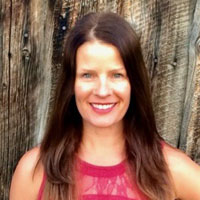
Jen Nolan – BS, MS, ONC
Owner & Lead Oncology Nutrition Consultant
Jen Nolan is a holistic and clinical nutrition expert with over 20 years of experience specializing in personalized, root-cause, and metabolic-based care. With advanced training in oncology nutrition, metabolic terrain, genetic-based precision nutrition, and therapeutic ketogenic protocols, Jen blends cutting-edge science with whole-person healing that honors emotional and energetic well-being. Through Remission Nutrition, she provides compassionate, individualized guidance where food is medicine and true wellness is supported on every level.