Food Safety During Cancer Treatment: What You Need to Know to Protect Your Health
When you’re on a cancer journey, even the smallest daily habits can make a meaningful difference in how you feel. One often-overlooked, but incredibly important, area is food safety.
In this Food for Thought conversation, oncology nutrition consultant Heather Cohen breaks down what food safety really means for those navigating cancer treatment, and why it matters more than ever.
Why Food Safety Matters More During Cancer Treatment
Food safety is always important, but during cancer treatment, it becomes critical.
Because treatments like chemotherapy and radiation suppress the immune system, your body’s natural defenses are lowered. That means bacteria or pathogens that may have once caused mild symptoms can now lead to serious infections.
It’s not just immunity that’s affected. Your digestive system, stomach acid, and microbiome are also compromised, reducing your body’s ability to fight off harmful microbes.

Common Hidden Food Safety Risks
Many risks aren’t obvious. Here are some everyday foods and situations to be mindful of:
- Bagged salads & pre-cut produce – More handling and moisture increase bacterial risk
- Deli meats – Can harbor listeria unless heated thoroughly
- Fountain drinks & ice machines – High-touch, shared environments
- Shared condiments – Exposure to multiple hands and airborne bacteria
- Raw sprouts & unpasteurized foods – Higher risk for contamination
- Soft cheeses – Especially if unpasteurized
- Ground meat – More surface area = more exposure
- Raw or undercooked eggs – Found in dressings and sauces
- Fermented foods – Risky when white blood cell counts are very low
Smart Grocery Shopping Tips
A few simple habits can reduce risk significantly:
- Choose “use by” dates for safety, not just “best by” for quality
- Avoid dented or swollen cans (possible contamination)
- Skip bulk bins when immunocompromised
- Shop cold and frozen items last
- Separate raw meat from other groceries
- Advocate for yourself with grocery delivery notes if needed
The Biggest Food Safety Mistakes at Home
Even the safest food can become risky if handled incorrectly.
Watch out for these common mistakes:
- Leaving food out too long (over 2 hours = danger zone)
- Cross-contamination from cutting boards
- Thawing food at room temperature
- Reusing marinades from raw meat
- Not washing produce before cutting
- Using damp, bacteria-filled sponges or towels
The Simple Food Safety Formula
If you remember nothing else, remember this:
Clean → Separate → Cook → Chill
- Clean: Wash hands and produce
- Separate: Keep raw foods apart
- Cook: Heat foods to safe temperatures (165°F is the gold standard)
- Chill: Refrigerate promptly below 40°F
Leftovers & Reheating Guidelines
- Eat leftovers within 2 days (not 3–4 during treatment)
- Reheat only once
- Always reheat to 165°F
- Consider freezing instead of refrigerating large batches
Eating Out Safely
You can still enjoy meals outside your home—just be intentional:
- Choose restaurants with strong health ratings
- Avoid buffets and salad bars
- Skip raw or undercooked foods (sushi, oysters, etc.)
- Ensure food is served hot (or properly cold)
- Reheat takeout if needed
A Powerful Mindset Shift: “Many Hands”
One of the most impactful takeaways:
👉 Think about everything your food has been through before it reaches your plate.
From processing to packaging to transportation, food passes through many environments—and many hands.
This awareness alone can help you make safer, more informed choices.
For Caregivers: Your Role Matters
If you’re preparing food for someone on a cancer journey:
- Don’t rely on your own tolerance as a benchmark
- Avoid tasting and stirring with the same utensil
- Skip casseroles or pre-made meals unless requested
- Offer help through grocery shopping or meal prep support instead
Resource: PDF cheat sheet available in the article, free to download https://heathercooan.com/food-safety-cancer/
This isn’t about fear, it’s about empowerment.
You don’t need to overhaul everything overnight. Start with one or two small changes and build from there.
Because when you’re navigating cancer, protecting your body from avoidable stressors like foodborne illness can make a real difference.
Contributor:
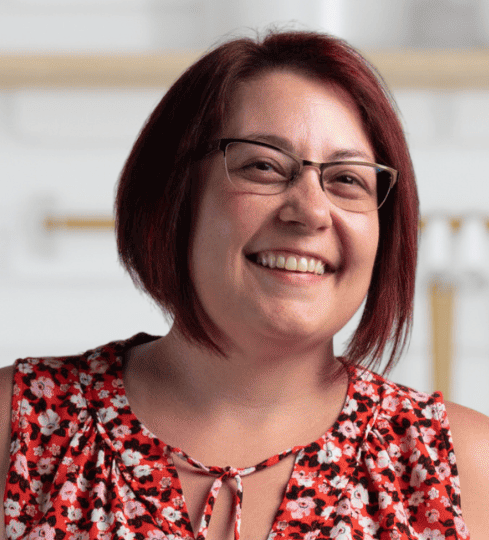 Heather Cooan, Oncology Nutrition Consultant
At Believe Big, we are committed to equipping individuals on the cancer journey with practical, life-giving information—just like what you’ve learned here today.
If this content encouraged or empowered you, we invite you to partner with us. Your donation helps us continue providing education, resources, and hope to those who need it most.
👉 Give today and be part of bringing healing, truth, and support to others on their journey.