Key Nutrition Strategies Before, During, and After Cancer Treatment

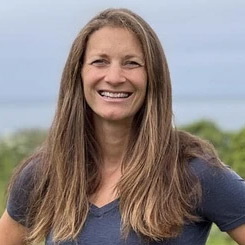
A cancer diagnosis can make life feel urgent and uncertain. In this Food for Thought webinar, Believe Big Patient Advocate Stacy Fritz welcomes back Sara Stratton of Remission Nutrition for a practical conversation on nutrition during cancer treatment and how patients can think about supporting the body before, during, and after cancer treatment.
Throughout the discussion, Sara explains that nutrition is not a one-size-fits-all plan. Instead, she encourages patients to think about each stage of the journey separately. Before treatment, the goal is to help the body become more resilient. During treatment, the focus shifts to managing side effects and supporting the body with foods it can tolerate. After treatment, nutrition becomes part of recovery and long-term healing.
One of the strongest themes in this conversation is preparation. Sara describes the time before treatment as an opportunity to “train” the body for what is ahead. She talks about the value of taking a pause after diagnosis when possible, getting clear on treatment options, and beginning to support the body with a more nutrient-dense diet. In the transcript, she emphasizes reducing processed foods, lowering inflammation, and focusing on foods “grown in the ground or coming from animals.” This approach is meant to help support the body going into treatment and create a stronger internal environment.
The conversation also makes space for the emotional side of a diagnosis. Stacy reflects on how quickly patients can feel like their power has been taken away. That is why this webinar repeatedly returns to the idea that food and lifestyle choices are one area where patients can still participate actively in their care. For many people, working with an oncology nutritionist can be a meaningful part of that process, especially when trying to understand how to support the body with food during different treatments.
When talking about what to eat during chemotherapy and other therapies, Sara focuses on practical support. She explains that during chemotherapy, one strategy is to keep the body as metabolically flexible as possible and to focus on very nutrient-dense vegetables and healthy fats. She also discusses how side effects can affect appetite and digestion, especially when the gut lining is impacted. Because of that, the conversation highlights options like bone broth, high-quality animal foods, eggs, wild-caught fish, and simple foods that may be easier to tolerate. Ginger, mint tea, hydration support, and calorie-dense foods are also mentioned as helpful tools when appetite is low.
Importantly, this Food for Thought webinar does not present a rigid formula. Stacy and Sara both acknowledge that cancer nutrition needs to be individualized. They discuss how different treatments such as surgery, chemotherapy, and radiation may require different strategies. They also answer a listener question about a low-fiber, low-residue diet, again reinforcing that food choices may need to be tailored to a person’s diagnosis, symptoms, and treatment plan.
As the conversation moves into recovery after cancer treatment, Sara emphasizes continuing the same focus on quality nutrition. In the transcript, she explains that post-treatment support can include lower-glycemic foods, healthy fats, quality proteins, vegetables, hydration, and movement. She also talks about supporting the liver and the body’s natural ability to process and remove what is no longer needed. Stacy adds that in her family’s experience, the period after treatment often involved a strong focus on hydration and supportive therapies.
Another valuable takeaway from this discussion is the reminder that help from family and friends can be directed in more supportive ways. Instead of defaulting to comfort foods, Sara suggests asking loved ones for nourishing meals like homemade bone broth, soups, or stews that better align with a healing-focused approach. That kind of support can make a real difference for patients trying to stay consistent with healing foods for cancer patients.
The webinar closes with an important note about supplements. Sara explains that some supplements may work alongside treatment, while others may work against it, which is why personalized guidance matters. This is another reason why patients may benefit from working with a trusted practitioner who understands nutrition before cancer treatment, nutrition during cancer treatment, and foods to eat after cancer treatment in the context of the whole person.
This conversation offers encouragement for anyone looking for practical, supportive guidance on the cancer journey. While every situation is different, the message is clear: food can be a meaningful tool for resilience, support, and healing at every stage.

 Sara Stratton