Nourishing the Nervous System: How Food, Breath, and Gentle Practices Support Healing
December is often described as joyful — but for many, it’s also overstimulating, exhausting, and emotionally heavy. Add a cancer diagnosis or caregiving role to the mix, and the nervous system can easily get stuck in survival mode.
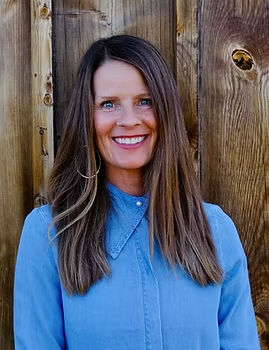
In the Food for Thought webinar Nourishing the Nervous System, functional nutritionist Jen Nolan of Remission Nutrition offers a compassionate reminder: healing doesn’t begin with doing more — it begins with calming the body.
What Does It Mean to Nourish the Nervous System?
In simple terms, nourishing the nervous system means helping the body shift out of constant “fight or flight” and into “rest and digest.” Chronic stress can disrupt digestion, blood sugar, immune function, sleep, and inflammation — even when someone is eating well.
When the nervous system is calm, the body can actually use the nutrients we give it.
Food as a Tool for Calm
Jen emphasizes that nervous system support isn’t just about what we eat — it’s also about how and when we eat.
Warm, cooked foods like soups and broths help the body feel safe and supported. Timing matters too: leaving 12–14 hours overnight without food and finishing dinner at least three hours before bedtime can dramatically improve blood sugar balance and sleep.
Caffeine and sugar — especially later in the day — can overstimulate the nervous system. Gentle swaps like herbal teas, turmeric lattes, or ginger-based drinks offer comfort without the crash.
Nourishment During Cancer Treatment
For those actively in treatment, nervous system care becomes even more essential. Jen encourages reframing treatment language, practicing breathwork during infusions, listening to calming music, and visualizing healing rather than harm.
Warm foods, hydration, and grounding rituals can help counteract the intensity of treatment environments and restore a sense of agency.
Small Shifts, Big Impact
Nervous system nourishment doesn’t require perfection. It’s about finding what brings relief — a walk in nature, a warm mug in your hands, a deeper exhale, a kinder inner dialogue.
As Jen shared, “We don’t need to do everything. We just need to find a place to begin.”
Watch the Replay
If you’re craving calm, clarity, and practical tools you can actually use, this conversation is worth your time.
👉 Watch the full Food for Thought webinar replay here:
https://www.believebig.org/food-for-thought-nutrition-webinar/

Resources, Recipes & Tools Mentioned
Nutrition & Food Practices
- Grounding, warm foods (soups, broths, cooked meals)
- Bone broth (especially during treatment)
- Miso soup (organic, high-quality)
- Turmeric latte / turmeric milk
- Ginger, peppermint, chamomile, cinnamon teas
- Herbal calming teas (non-caffeinated)
Timing & Metabolic Support
- 12–14 hour overnight eating break
- 3 hours between dinner and bedtime
- Eating dessert immediately after meals (not late at night)
- Hydration + electrolytes (salt)
Lifestyle & Nervous System Regulation
- Gentle movement (walking, hiking, nature time)
- Breathwork (double inhale + long exhale)
- Music therapy (heart coherence / calming frequencies)
- Prayer, gratitude journaling
- Visualization during treatment (reframing chemo as “healing serum”)
Recipes Mentioned
- Turmeric latte (shared in show notes)
- Ginger–lemon immunity shot with apple cider vinegar
- Warm broth in a thermos for infusion days
Programs & Support
- The Nest Membership – Remission Nutrition
Group-based support, coaching, community, and education
https://www.remissionnutrition.com - The Vida Ball: https://shop.thevidaball.com
Recipe: Golden Milk
- 1 serving
- 1 cup coconut milk unsweetened organic
- 1/2 tsp ground organic turmeric powder
- 1/4 tsp ground ginger or 1/2 tsp freshly grated
- 1/4 tsp ceylon cinnamon
- Couple drops vanilla extract
- Pinch black pepper
- 1 tsp coconut oil
- Non-glycemic sweetener to taste. I use organic monk fruit (minimal)
|
|
|