The Future of Cancer Immunotherapy: 10 Things You Need to Know About Double-Loaded Dendritic Cell Therapy
Cancer treatment is evolving. While chemotherapy and radiation remain standard tools, personalized immunotherapy is transforming the landscape.
In Episode 110 of the Believe Big Podcast, naturopathic oncologist Dr. Dan Rubin explains how double-loaded dendritic cell therapy works — and why it may represent the future of integrative cancer care.
Here are 10 key insights every patient and caregiver should understand:
1️⃣ Dendritic Cells Are the “Generals” of the Immune System
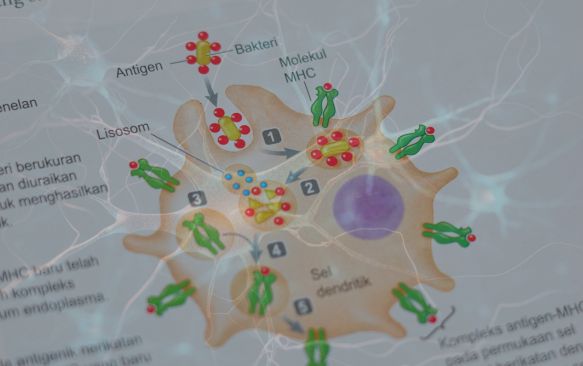
Dendritic cells gather intelligence from tumors and deliver it to T cells — the immune system’s “foot soldiers.” Without properly functioning dendritic cells, your body cannot mount an effective anti-cancer immune response.
2️⃣ T Cells Can’t Attack What They Don’t Recognize
The immune system must clearly identify cancer as a threat. Dendritic cells present tumor-specific information to T cells, giving them permission to attack cancer cells — and only cancer cells.
3️⃣ A Dendritic Cell “Vaccine” Isn’t What You Think
The word vaccine can feel loaded, but in this context, it simply means delivering precise tumor information to the immune system. It’s not a traditional preventive vaccine — it’s personalized immune education.
4️⃣ What Makes “Double-Loaded” Dendritic Cells Different?
Traditional dendritic cell therapies used a single tumor protein load.
Double-loading includes:
- Tumor lysate (proteins from the tumor)
- Mutated DNA peptide sequences
This two-factor authentication improves immune targeting precision.
As Dr. Rubin explains, it’s like needing both your password and a security code.
5️⃣ It’s Personalized Medicine at Its Core
This therapy requires:
- A patient’s tumor tissue
- The patient’s own white blood cells (monocytes)
The cells are engineered to educate the immune system and reintroduced into the body — making it a truly individualized treatment.
6️⃣ It’s Agnostic to Cancer Type
Unlike many treatments designed for specific cancers, dendritic cell therapy can theoretically be applied to multiple tumor types — as long as tumor tissue is available.
Immunocine has treated patients with:
- Metastatic breast cancer
- Colorectal cancer
- Glioblastoma
- Pancreatic cancer
- Melanoma
- And others
7️⃣ It’s Currently Available Through Immunocine (Cancun, Mexico)
While U.S. clinical trials are underway through Diakonos Oncology, patients seeking treatment outside trials currently travel to:
🔗 Immunocine.com
Cost: Approximately $120,000 USD (all-inclusive for the 3-treatment protocol)
8️⃣ It Requires Immune Participation
This is not chemotherapy. It does not chemically kill cancer cells.
Instead, it relies on:
- T-cell activation
- Immune coordination
- Inflammatory balance
- Overall immune resilience
Which means patient biology matters.
9️⃣ Results Vary — But Survival Metrics Are Promising
Dr. Rubin shared:
- Some patients experience stable disease
- Some show no evidence of disease
- Others experience improved quality of life and reduced inflammation
- Kaplan-Meier survival comparisons are encouraging
It’s not a magic bullet — but it is biologically aligned with how the immune system is designed to function.
🔟 The Future Is Data-Driven and Personalized
According to Dr. Rubin:
“The future is in testing, learning, and gathering more data — so those coming after can have an even better experience.”
With advanced immune profiling, genomics, and biobanking (Immunocine Preserve in Arizona), this therapy continues to evolve.
Final Thoughts
Cancer healing is never one-dimensional. As Ivelisse reminds listeners, healing involves:
- Physical therapies
- Emotional resilience
- Spiritual strength
- Immune system restoration
- Personalized support
Dendritic cell therapy represents an exciting frontier — one rooted in biology, personalization, and integrative care.
🎧 Listen to the full episode here:
🌿 Learn more at believebig.org
🔗 Links & Resources Mentioned
- Immunocine: https://immunocine.com
- Diakonos Oncology (U.S. clinical trial arm)
- AiresTech Products for EMF protection
- Naturopathic Specialists in Scottsdale, AZ (Dr. Rubin’s clinic)
- Immunocine Preserve (Biobank in Scottsdale, AZ)